Advanced Motor Speed Regulators and Smart Solar Irradiance Converters
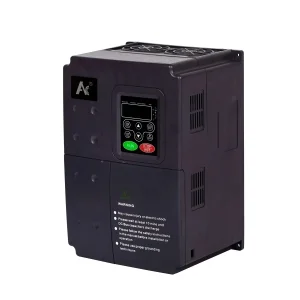
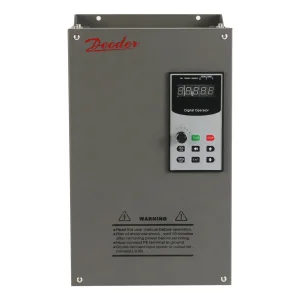
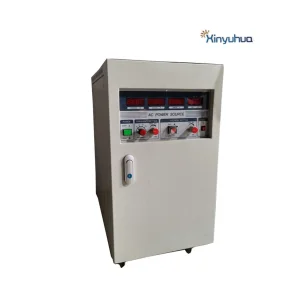
Pulse Width Modulation (PWM) is the foundational technology underpinning modern variable frequency drives (VFDs) and solar energy conversion hardware. By rapidly switching electronic valves—typically Insulated Gate Bipolar Transistors (IGBTs) or Metal-Oxide-Semiconductor Field-Effect Transistors (MOSFETs)—on and off, PWM inverters transform flat direct current (DC) inputs into synthesized alternating current (AC) wave shapes with adjustable frequency and amplitude. This capability allows industrial complexes, agricultural networks, and utilities to optimize motor speed, torque control, and power delivery dynamics with microsecond-level accuracy.
The global power electronics landscape is currently experiencing a technological transition from conventional silicon-based switches to Wide Bandgap (WBG) semiconductors, particularly Silicon Carbide (SiC) and Gallium Nitride (GaN). For B2B procurement officers and engineering directors, the implications of this shift are profound:
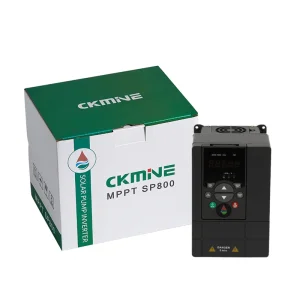
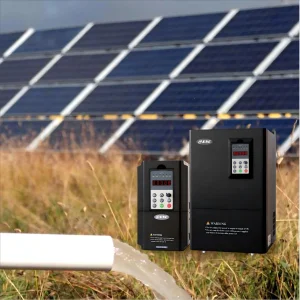
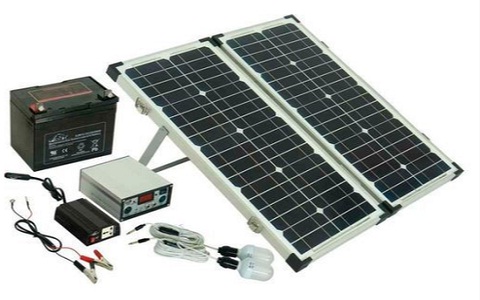
One of the most rapidly growing segments in the Chinese PWM manufacturing hub is the integrated solar pump inverter. Traditional systems relied on static solar arrays connected to storage batteries, which subsequently drove conventional AC pumps via basic inverters. Today's systems employ direct-drive MPPT (Maximum Power Point Tracking) solar VFDs. These intelligent controllers dynamically match the motor output to the fluctuating solar irradiance, eliminating the maintenance-intensive battery layer and delivering direct fluid transfer for agricultural irrigation and remote industrial water distribution.
Enterprise Capability Built on Two Decades of Industrial Electrical Excellence
Driven by Innovation, Powered by Expertise
Shenzhen NovaVolt Service Co., Ltd. is dedicated to becoming a leading global provider of advanced solar inverter and energy solutions. Backed by over 20 years of experience in industrial electrical control systems, NovaVolt combines deep technical expertise with a forward-looking innovation strategy to deliver reliable, high-performance products to customers worldwide.
Our strength lies in a highly skilled R&D team, composed of senior engineers with extensive experience in power electronics and product development, including professionals from globally recognized Fortune 500 companies. With a portfolio of more than 30 technical patents, we continuously invest over 10% of our annual revenue into research and development—ensuring ongoing breakthroughs in efficiency, system stability, and intelligent energy management.
For international procurement directors, selecting the correct PWM factory in China requires a systematic evaluation of technical parameters, validation procedures, and logistics frameworks. Sourcing the cheapest system often leads to accelerated MTBF (Mean Time Between Failures) issues in harsh outdoor or dusty industrial environments. Below is a checklist of critical indicators that distinguish premium manufacturing hubs from low-tier assembly lines:
High-speed switching in IGBTs generates significant localized heat. Premium inverters use independent air duct designs that segregate the cooling channels from the internal PCBAs. This prevents conductive dust and moisture from settling on active logic boards, protecting the drive from short circuits. For applications above 250kW, liquid-cooled cooling blocks are increasingly used to maintain optimal semiconductor junction temperatures.
Fast rise-time pulses generated by PWM switching produce high-frequency electromagnetic interference (EMI). Industrial installations must confirm that the supplier builds internal EMC filters conforming to Class C2 or C3 standards (IEC 61800-3). Furthermore, input reactors must be specified to limit grid-side harmonic current distortion to levels acceptable to municipal power providers.
Modern electrical drive systems do not operate in isolation. They serve as the central brain for multi-tiered industrial operations. Below are the core macro-level application matrices developed by NovaVolt for international infrastructure markets:
In arid environments or regions lacking grid access, NovaVolt's MPPT solar pump controllers directly convert solar energy to adjust pump speed in real-time. The built-in dry-run protection, water level detection, and automatic sleep/wake algorithms ensure system survival under fluctuating solar intensity. This minimizes operational expenditure by optimizing water yield without requiring human oversight or diesel generator backup.
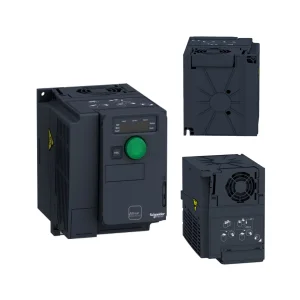
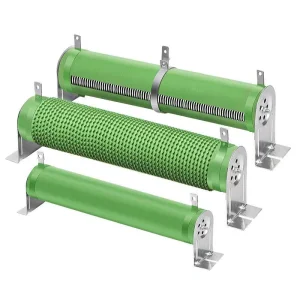
Conveyors require high starting torque and precise acceleration profiles to avoid belt stretching and mechanical stress. Our low-voltage vector controller drives execute sensorless vector control (SVC), delivering 150% torque at 0.5Hz. By integrating dynamic braking units (using heavy-duty 4000W braking resistors), these drives ensure safe deceleration of downhill or heavily loaded conveyors.
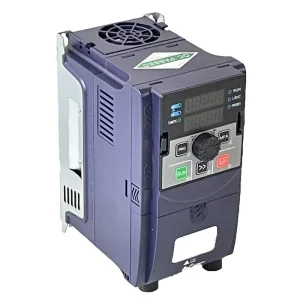
Fans and pumps operate on quadratic load laws, meaning a minor reduction in speed leads to a major reduction in power consumption. By applying advanced variable-speed control via NovaVolt HVAC-optimized AC drives, industrial factories regularly see overall energy consumption drop by 30% to 50% relative to fixed-speed grid direct-online (DOL) setups.
Step-by-Step Inspection Processes Ensuring Peak Operational Longevity
At NovaVolt, quality is not just a standard—it is a commitment embedded in every stage of our operations. We implement a comprehensive quality management system that covers the entire product lifecycle, from initial design validation to after-sales optimization.
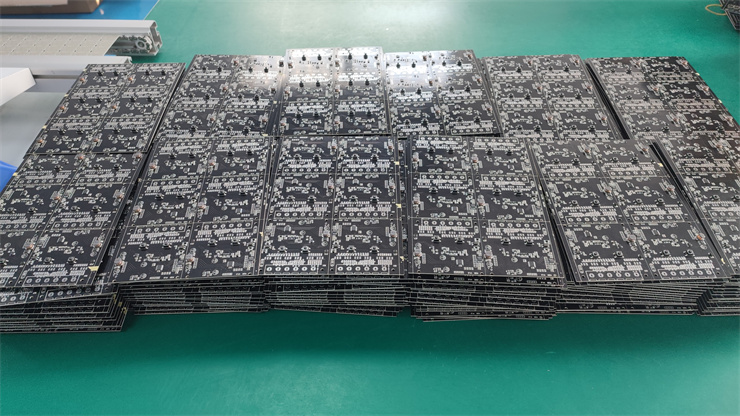
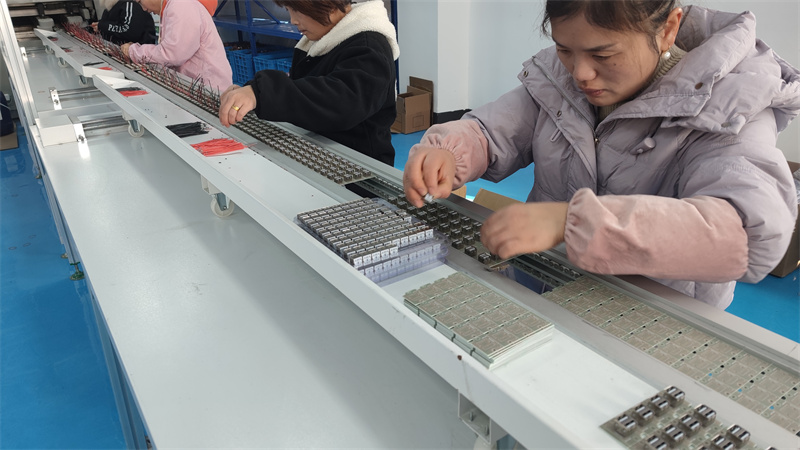
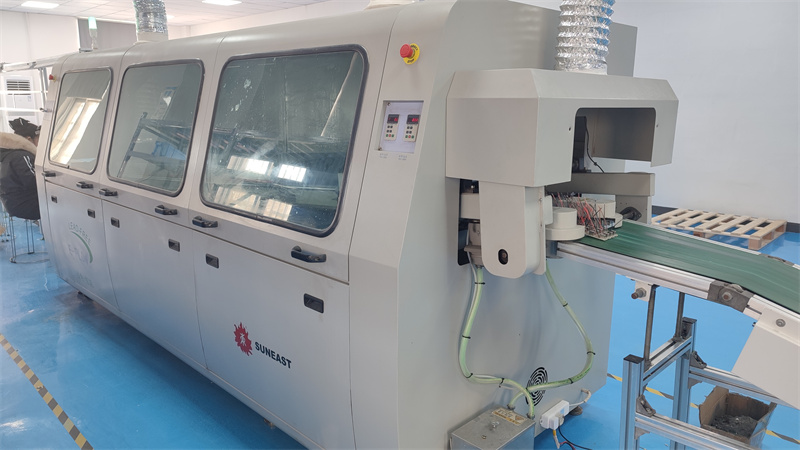
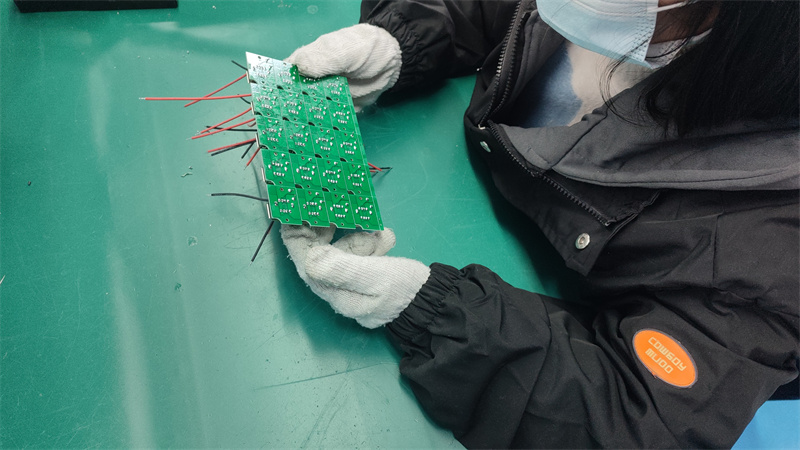
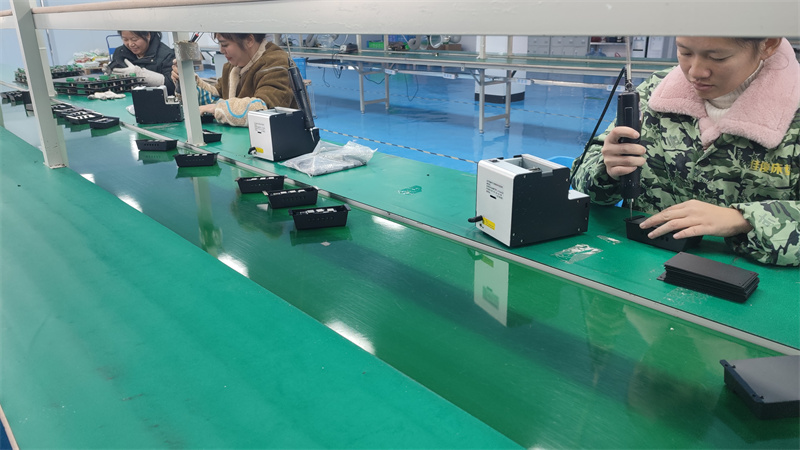
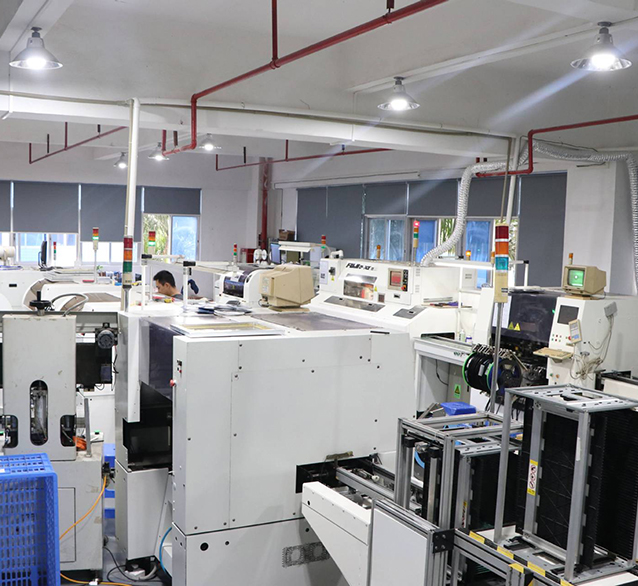
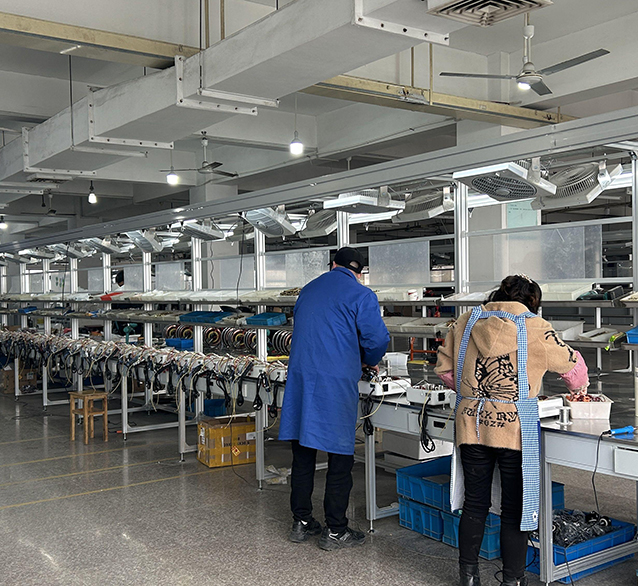
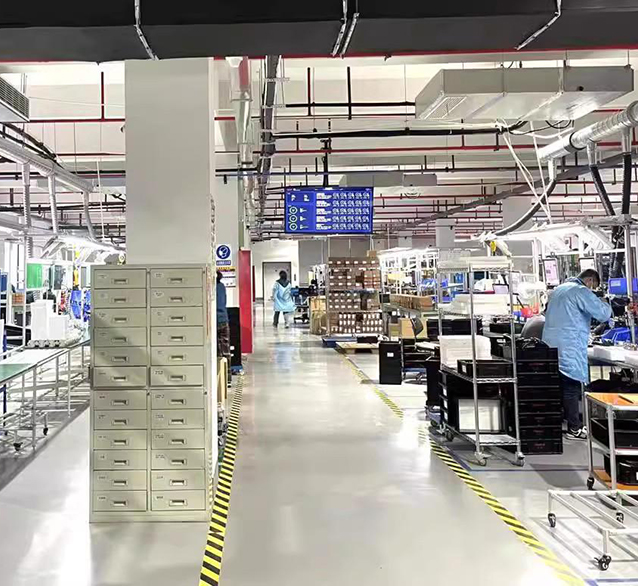
Our manufacturing process follows strict international standards. Each PCBA undergoes more than ten critical processes, including solder paste printing, SMT placement, reflow soldering, and AOI (Automated Optical Inspection). Every step is executed with precision craftsmanship, ensuring superior product consistency, durability, and long-term reliability.
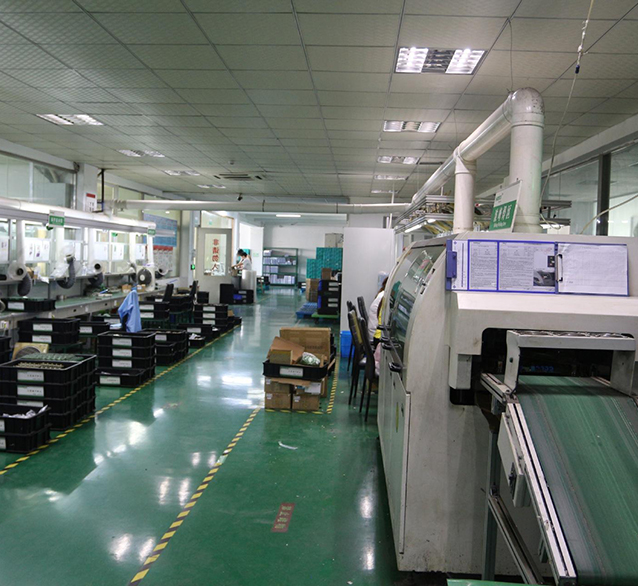
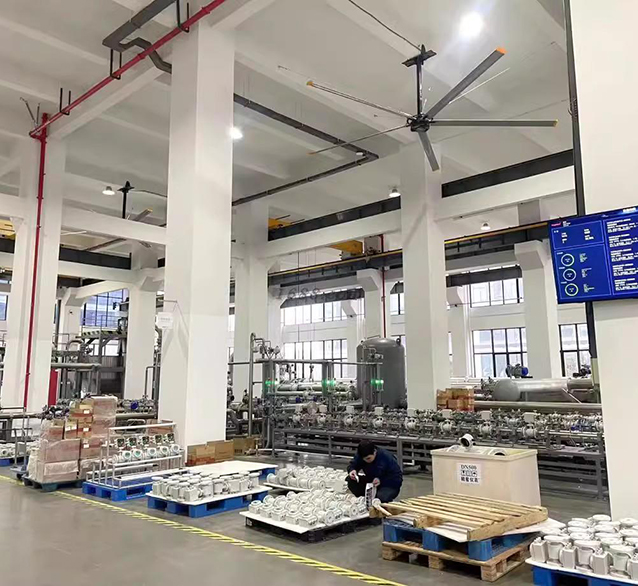
NovaVolt embraces intelligent manufacturing to deliver exceptional product performance. Our advanced production lines are equipped with automated AOI systems, PLC/IPC-based intelligent testing platforms, and real-time data acquisition systems. Through a fully integrated ERP management system, we achieve complete traceability across the entire production process—from raw material sourcing to final delivery. This digitalized and data-driven approach enhances operational efficiency, minimizes errors, and guarantees consistent product quality at scale.
As the industrial automation and energy landscape shifts toward digitalization, NovaVolt continues to invest in key technologies that will define the next generation of PWM inverter control:
Integrating direct 4G/5G and WiFi protocols natively on the main control boards to enable remote diagnosis, web-based param tuning, and automatic alert dispatch. System operators can monitor live power factors, DC bus voltages, and load characteristics directly from mobile interfaces.
By analyzing subtle variations in high-frequency harmonic profiles and heat cycle patterns, the drive's internal algorithm predicts motor winding degradation or bearing failures before they lead to unexpected plant shutdowns.
Next-generation inverters will support bidirectional energy flows, allowing solar pumping clusters and backup industrial drives to feed excess power back to microgrids, acting as dynamic grid stabilizing components.
Operational photos showing manufacturing processes and control components


Clarifying structural and engineering considerations for system integrators
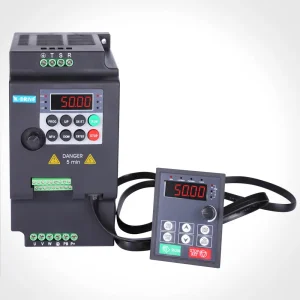
Robust Power Regulators, Interface Thermostats, and Braking Resistors
 NovaVolt Service