Connecting multiple inverters can enhance energy efficiency and system reliability. However, it may seem complex at first. Understanding how to pair multiple inverters using a parallel kit is crucial for a successful setup. A parallel kit allows inverters to work together seamlessly, balancing the load and sharing energy.
This process requires careful planning and the right equipment. First, ensure that your inverters are compatible with the parallel kit. Compatibility is essential to avoid any malfunction. Proper wiring and configuration are critical. If you make mistakes, it could lead to system failure or diminished performance.
It's important to familiarize yourself with your specific inverter models. Each manufacturer may have different guidelines. Don't overlook the user manuals; they provide essential details. Once set up correctly, multiple inverters can significantly increase your energy output. However, missteps in connection can result in inefficiencies. Always double-check your connections and settings for optimal operation.
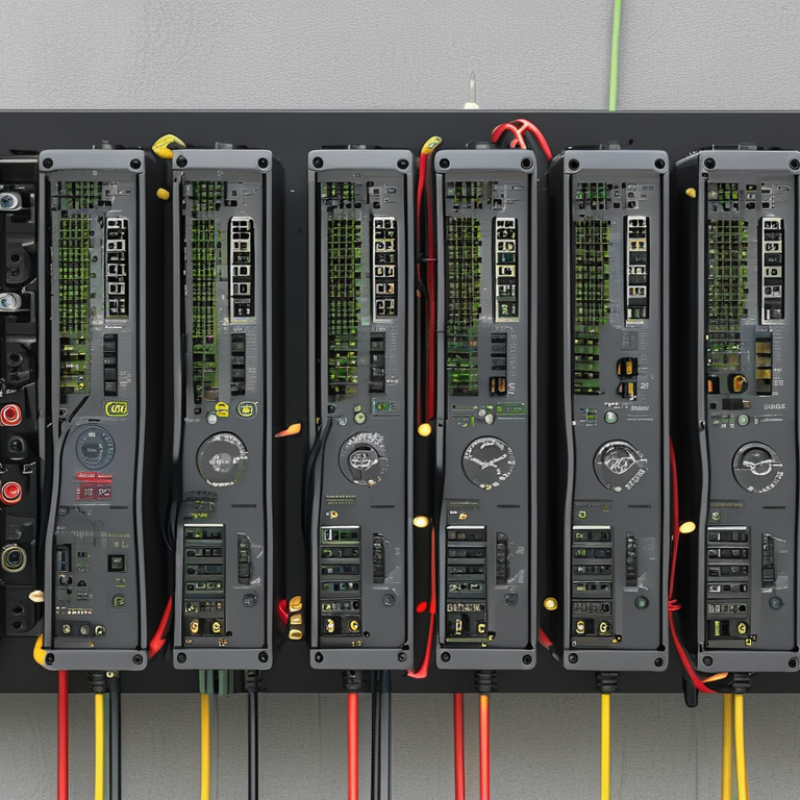
Parallel connection of inverters can enhance the efficiency of your power system. Understanding inverter technology is crucial for successful installation. Inverters convert direct current (DC) into alternating current (AC), making it usable for your home or business. When linking multiple inverters, ensure they have matching specifications and compatible features. This helps maintain system stability.
When using a parallel kit, pay attention to the wiring setup. Proper cable sizing is vital to handle increased current flow. Undersized cables can lead to overheating and failure. Additionally, try to keep the distances between inverters as short as possible. This minimizes losses and improves performance.
It's also essential to understand the limitations of your setup. Not all inverters work seamlessly together, even if they are similar models. Be prepared to troubleshoot issues that may arise during connection. If you notice inefficiencies, reflect on your design and installation methods. Learning from these experiences will sharpen your skills in inverter technology.
: Inverters convert direct current (DC) into alternating current (AC) for use in homes and businesses.
Ensure the inverters have matching specifications and compatible features for maintaining system stability.
Correct cable sizing handles increased current flow, preventing overheating and system failure.
Keep distances between inverters as short as possible to improve performance and reduce losses.
Underestimating component sizes, like using smaller cables, can lead to overheating and inefficiencies.
Fuses protect the system from overcurrent, cutting off the circuit if an inverter fails to prevent damage.
Busbars evenly distribute power among inverters, enhancing overall performance and efficiency.
Proper configuration is essential for evenly distributing loads, reducing wear and tear on each unit.
Users can potentially see a 30% increase in energy output under optimal conditions.
Regular maintenance and monitoring help achieve peak effectiveness and address any inefficiencies.
In the article titled "How to Connect Multiple Inverters with a Parallel Kit?", readers are introduced to the essential concepts of inverter technology necessary for establishing a reliable parallel connection. It covers the vital components required in a parallel kit, providing a comprehensive overview of their functions and compatibility. The step-by-step guide facilitates a clear understanding of how to pair multiple inverters using a parallel kit, ensuring that users can confidently wire their systems together.
Additionally, the article emphasizes safety standards and compliance, which are crucial in minimizing risks associated with electrical installations. To ensure optimal performance, it also discusses the expected performance metrics of parallel inverter systems, helping users to understand the efficiency and reliability of their interconnected setup. This resource aims to empower those interested in expanding their energy capabilities with multiple inverters efficiently and safely.

 NovaVolt Service