Outdoor variable frequency drives face more than rain. They endure dust, salt spray, freezing temperatures, heat, vibration, insects, and sudden voltage surges. A drive that performs well indoors may fail quickly beside a coastal pump or dusty agricultural fan.
How to protect VFDs from harsh outdoor environments? The answer begins with a properly rated enclosure, but protection cannot stop there. In 2026, reliable designs combine NEMA or IP-rated cabinets, filtered ventilation, controlled heating, condensation management, and surge protection. Engineers should also verify the drive’s operating temperature, altitude limits, cooling method, and corrosion resistance before installation. Small details matter. A blocked filter can turn a clean cabinet into a heat trap. Moisture can collect overnight, even when the cabinet appears sealed.
Field experience shows that installation quality often matters as much as product selection. Cable glands must remain tight. Power and control wiring should be routed carefully. The cabinet should stay shaded when possible, while maintaining enough clearance for airflow and service access. Regular inspections can reveal rust, clogged filters, loose terminals, or unusual fan noise before failure occurs. Weather changes quickly. No setup is perfect.
This guide compares practical VFD protection strategies for harsh outdoor environments, including enclosure choices, thermal control, electrical safeguards, and maintenance routines. It also examines where common recommendations fall short. The best solution is not always the most expensive drive. It is the system that matches the site, load, climate, and maintenance capability with measurable reliability.
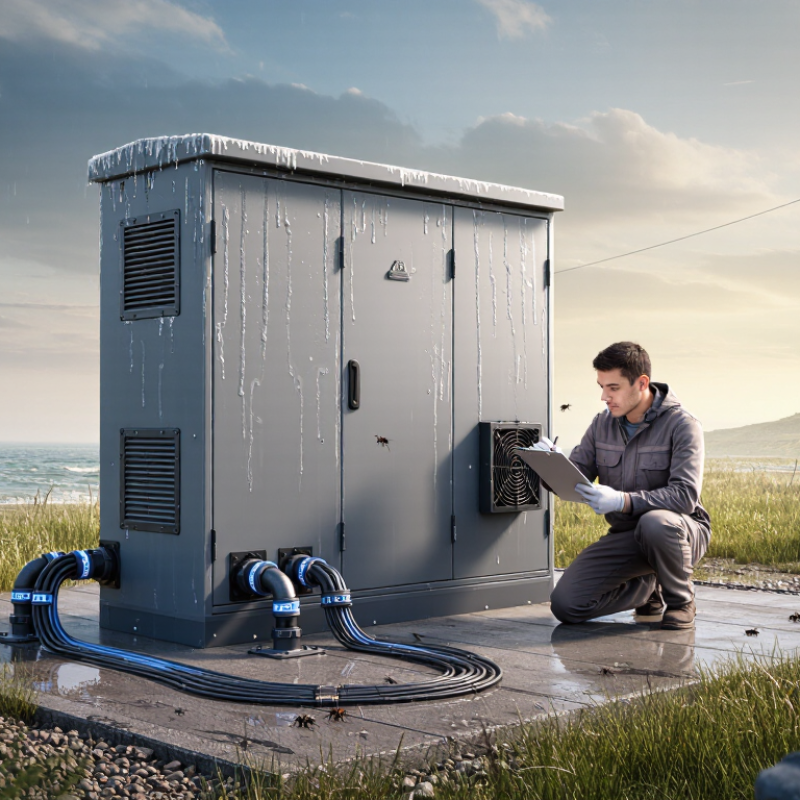
In harsh outdoor environments, VFD protection means more than placing a drive inside a metal box. The enclosure must resist rain, dust, ultraviolet exposure, salt mist, and sudden temperature changes. A suitable ingress rating helps prevent water and particles from reaching sensitive electronics. However, ratings are not magic.
Heat is often the hidden problem. A sealed enclosure protects the VFD but can trap heat during a 40°C afternoon. Engineers may need filtered ventilation, an external heat exchanger, or a properly sized cooling system. Leave clearance around the drive. Small gaps can affect airflow and service access.
Condensation deserves equal attention. Nighttime cooling can create moisture inside the cabinet, especially near coastal sites. Anti-condensation heaters, drain management, desiccant checks, and breathable vents can reduce this risk. Surge protection and reliable grounding also matter when long outdoor cables meet lightning-prone conditions.
Field maintenance should include inspecting door seals, cable glands, corrosion, fan filters, and terminal tightness. Dust may appear harmless. It can become conductive when mixed with humidity. Salt deposits are worse.
A practical mistake is choosing protection from climate data alone. Real exposure depends on washdown routines, mounting height, shade, nearby chemicals, and maintenance quality. No enclosure solves every problem. Sometimes the specified protection looks excellent on paper but fails because the installation details were overlooked. Regular inspection remains necessary, even with a well-designed system.
Outdoor variable frequency drives face more than rain. Direct sunlight can heat a cabinet beyond its rated temperature, while ultraviolet exposure gradually weakens seals, displays, and cable jackets. Dust and sand can enter through poorly fitted doors. In coastal areas, salt deposits create conductive paths and accelerate corrosion on terminals. These problems often begin quietly.
Condensation is another serious threat. A cool drive may collect moisture overnight, especially inside a sealed enclosure with changing temperatures. Drain breathers, anti-condensation heaters, and correctly positioned cable glands can reduce this risk. However, sealing every opening is not always enough. Trapped humidity may remain inside the cabinet.
I have inspected outdoor panels where filters were clean, but cooling fans had already failed from heat and grit. That detail is easy to miss. Choose an enclosure with a suitable ingress rating, shade it from direct sun, and maintain clear airflow around heat exchangers. In freezing climates, check heater sizing and startup limits. Lightning and switching surges also deserve attention, so coordinated surge protection and proper grounding should be verified by a qualified technician.
Site conditions should guide the design. A desert installation needs dust control, while a wastewater site may need stronger corrosion resistance. One enclosure solution rarely fits every location. Even well-designed protection can fail when inspections become irregular. A monthly visual check is useful, but harsh sites may require more frequent cleaning and thermal inspections.
Choosing the right VFD enclosure starts with the site, not the catalog. Outdoor drives face rain, dust, ultraviolet light, condensation, salt, and sudden temperature changes. The U.S. Department of Energy reports that motor-driven equipment consumes about 69% of industrial electricity. Even a small cooling failure can therefore create significant energy and production losses.
IEC 60529 defines IP protection levels, but an IP66 rating is not automatically corrosion resistant. IP65 protects against water jets, while IP66 adds stronger jet protection. For dusty washdown areas, IP66 may fit. Coastal sites need more. Consider a corrosion-resistant enclosure, sealed cable entries, and filtered or external cooling. NEMA 3R suits outdoor rain exposure, while NEMA 4X offers stronger protection against corrosion and hose-directed water. Check the exact construction, not only the number.
Temperature deserves careful attention. A sealed cabinet can trap heat like a metal box in direct sunlight. Drive manufacturers often derate output as ambient temperature rises, so review the installation manual and site measurements. The International Energy Agency links efficient motor systems with major industrial energy-saving opportunities, yet protection choices can undermine those gains. Field inspections often find blocked filters, loose glands, and condensation damage. I have also seen ratings selected too quickly. That mistake is understandable, but harsh sites require a written exposure review, thermal calculation, and maintenance plan before selecting the enclosure.
2026 Best VFD Protection for Harsh Outdoor Environments?
A VFD enclosure faces heat, cold, rain, dust, and condensation. Protection begins with correct thermal design, not simply a higher IP rating. The U.S. Department of Energy’s 2021 Industrial Motor Systems Market Assessment reports that motor-driven equipment uses about 68% of industrial electricity. A failed drive can therefore interrupt significant production and waste energy.
Cooling needs careful control. Use filtered forced air only where contamination is manageable. In dusty areas, a sealed air-to-air heat exchanger or external cooling unit is safer. Keep heat-producing drives separated from PLCs and communication equipment. Check the drive’s derating curve above 40°C, because many units lose output capacity as ambient temperature rises. Small details matter.
Heating is equally important. A cabinet heater can prevent condensation during cold shutdowns, but it must not run without a thermostat and humidity control. IEC 60529 ratings address dust and water ingress; they do not guarantee protection against internal condensation. Use a drain breather, sealed cable glands, and a humidity sensor where temperature changes are sharp. The 2024 ASHRAE Thermal Guidelines also stress dew-point management in controlled equipment spaces. Outdoor cabinets are less predictable than those spaces.
Field inspections often reveal the weak point: a warm enclosure opened after rain. Moisture enters quickly. My practical preference is conservative—oversize cooling, monitor cabinet temperature, and log humidity continuously. Yet oversizing can create new problems, including short cycling and unnecessary energy use. The final design still requires site measurements, seasonal testing, and honest review.
The chart shows calculated dew-point temperatures at common outdoor ambient conditions. When an enclosure surface falls below the dew point, condensation can form on the VFD, terminals, and circuit boards.
Cooling: keep the enclosure within the VFD manufacturer’s rated ambient range and remove heat with a sealed air conditioner or heat exchanger when contamination is severe. Heating: use an enclosure heater during shutdown or cold starts to keep internal surfaces above the dew point. Moisture control: use a suitable outdoor enclosure, sealed cable glands, a drain or breather where appropriate, and humidity monitoring.
Dew points are calculated from ambient temperature and relative humidity using the Magnus equation. The 40°C reference is a common VFD design baseline, but the actual rating and derating limits must be verified for the selected drive.
Outdoor VFDs face rain, dust, salt, ultraviolet light, and sudden temperature changes. Protection begins with the enclosure, not the drive menu. Select an appropriately rated cabinet with sealed cable glands and a sun shield. Mount it above splash zones, away from exhaust, and leave space for airflow. Condensation is often overlooked. A small heater or drain breather may prevent moisture damage when correctly sized.
During installation, use short, properly grounded motor cables and separate power from control wiring. Confirm protective earth continuity before energizing the drive. Add surge protection where lightning or unstable utility power is common. Check the motor’s insulation and bearing condition first. A protected VFD cannot rescue a failing motor. Record torque values, cable routes, ambient temperature, and initial fault settings. These details make later troubleshooting faster.
Maintenance should follow the environment, not merely the calendar. Inspect filters, seals, fans, and terminals after storms or dusty operations. Look for salt crust, insects, loose glands, and darkened insulation. Clean with approved methods, never with uncontrolled compressed air near electronics. Test emergency stops and interlocks during scheduled shutdowns. Lockout procedures must be practical and documented. I have seen teams skip thermal checks because the cabinet looked clean. That assumption is risky. Recheck airflow and fault history before returning equipment to service.
It protects the drive from rain, dust, ultraviolet light, salt mist, and temperature changes. Ratings are not magic. Heat, moisture, wiring, and maintenance also affect reliability.
A sealed cabinet may trap heat during a 40°C afternoon. Use filtered ventilation, an external heat exchanger, or correctly sized cooling equipment. Leave room around it. Clearance supports airflow and service access.
Night cooling can create moisture, especially at coastal sites. A small anti-condensation heater, drain breather, or desiccant may help. Check these devices regularly. This may not be enough when installation details are poor.
Mount it above splash zones and away from exhaust sources. A sun shield can reduce direct ultraviolet and heat exposure. Avoid nearby chemicals and low areas where water collects. Height matters more than I once expected.
Use short, properly grounded motor cables when practical. Separate power wiring from control wiring. Confirm protective earth continuity before energizing the drive. Add surge protection where lightning or unstable power is common.
Inspect the motor’s insulation and bearing condition first. A protected drive cannot correct a failing motor. Record cable routes, torque values, ambient temperature, and initial fault settings. Small records save troubleshooting time.
Follow the environment, not only the calendar. Inspect after storms, dusty work, or heavy washdown. Check seals, cable glands, filters, fans, terminals, and corrosion. Salt deposits are worse.
Look for salt crust, insects, loose glands, darkened insulation, and blocked filters. Dust can become conductive when mixed with humidity. I have seen clean cabinets fail thermal checks. Appearance alone proves very little.
Use approved cleaning methods near electronic components. Avoid uncontrolled compressed air around sensitive parts. Test emergency stops and interlocks during planned shutdowns. Document practical lockout procedures. Recheck airflow and fault history before service resumes.
Protecting variable frequency drives (VFDs) in harsh outdoor environments requires more than selecting a weather-resistant cabinet. Dust, rain, humidity, salt spray, extreme temperatures, vibration, corrosive chemicals, and direct sunlight can reduce performance and shorten service life. The right enclosure and protection rating should match the site conditions, while filters, sealed cabinets, proper ventilation, heat exchangers, heaters, and moisture-control devices help maintain stable internal conditions without allowing contaminants to enter.
How to protect VFDs from harsh outdoor environments? Begin with a careful assessment of environmental hazards and operating loads. Install the VFD in a shaded, secure, and well-drained location, leaving adequate clearance for airflow and maintenance. Use suitable cable glands, grounding, surge protection, and thermal monitoring, and inspect seals, filters, connections, and cooling systems regularly. Preventive maintenance, safe isolation procedures, and timely replacement of worn components are essential for reliable and safe outdoor operation.

NovaVolt Service